 ACCENTEpoxy Floors
The questions people actually search for about epoxy floors, answered plainly by a Lancaster installer.
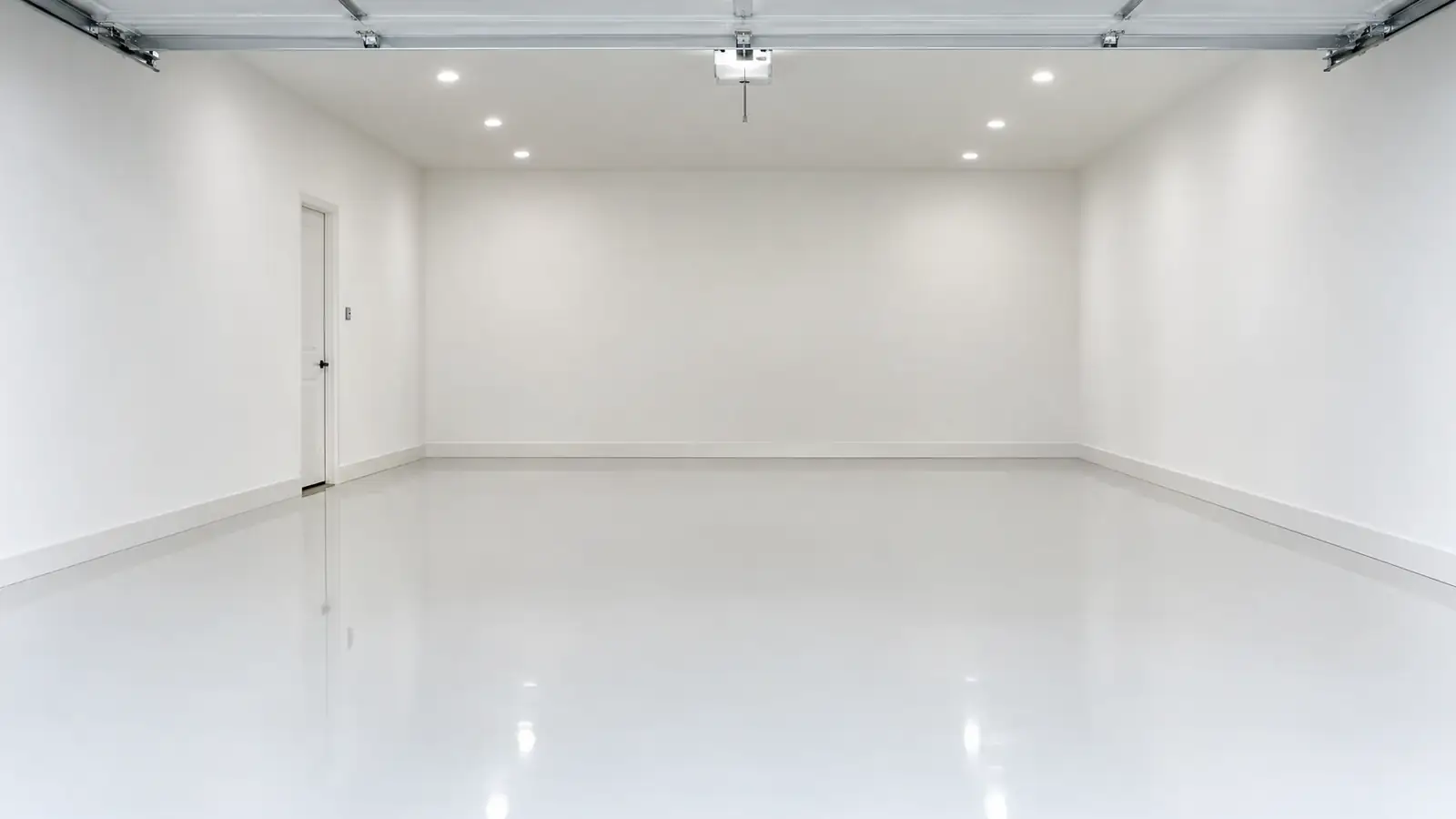
To prepare a garage for epoxy, empty it completely, move vehicles out, clear the walls, unplug appliances and make sure the crew has access to power and the space around the floor. The crew handles grinding, crack repair and cleaning, so do not etch, paint or seal the floor yourself.
Read the answer →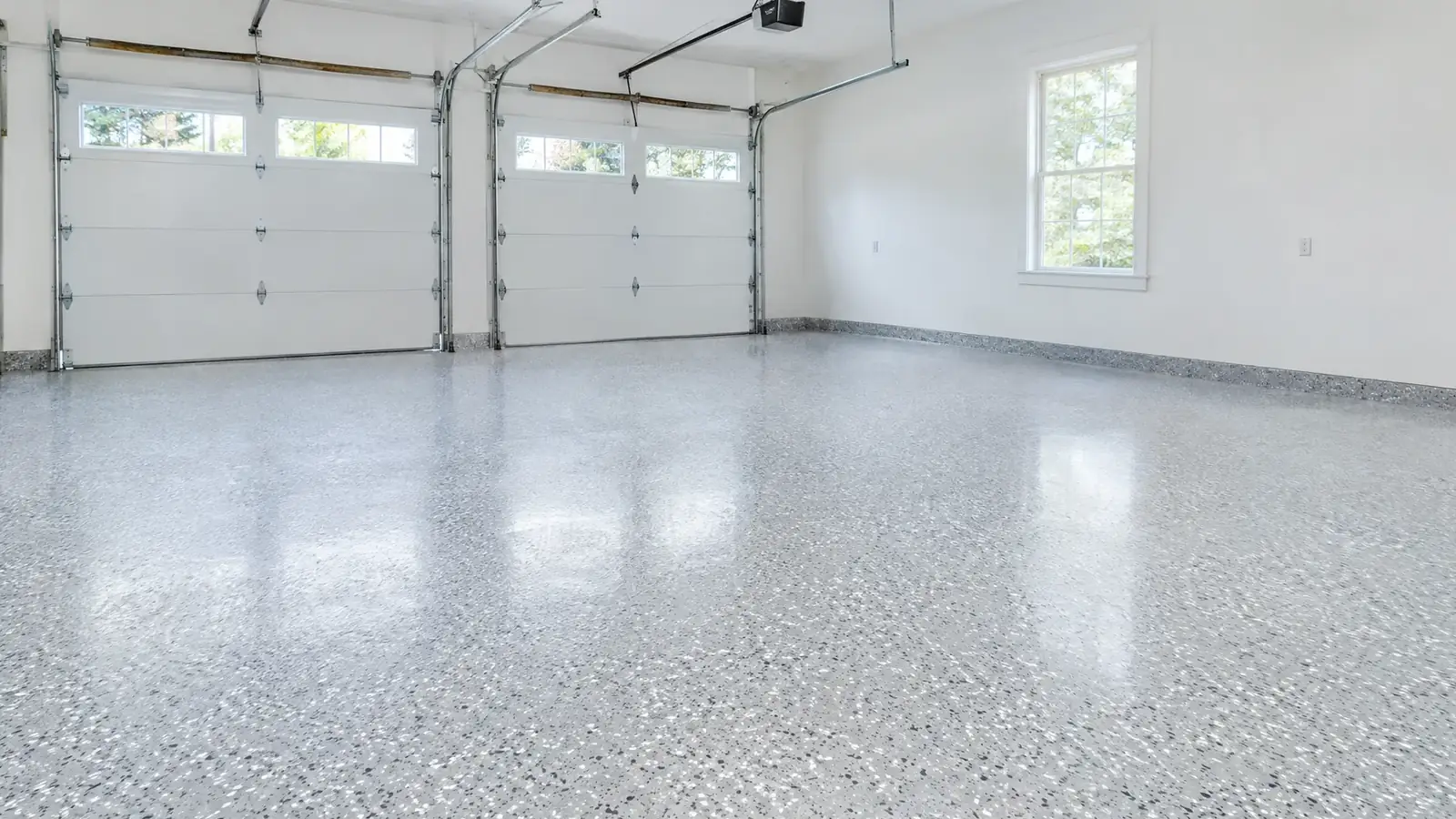
Epoxy turns yellow because ultraviolet light and heat slowly break down the resin, a change called ambering. It shows first where sun hits the floor, usually near the garage door. A UV-stable polyaspartic topcoat, a color that hides slight change and less direct sun on the slab are what prevent it.
Read the answer →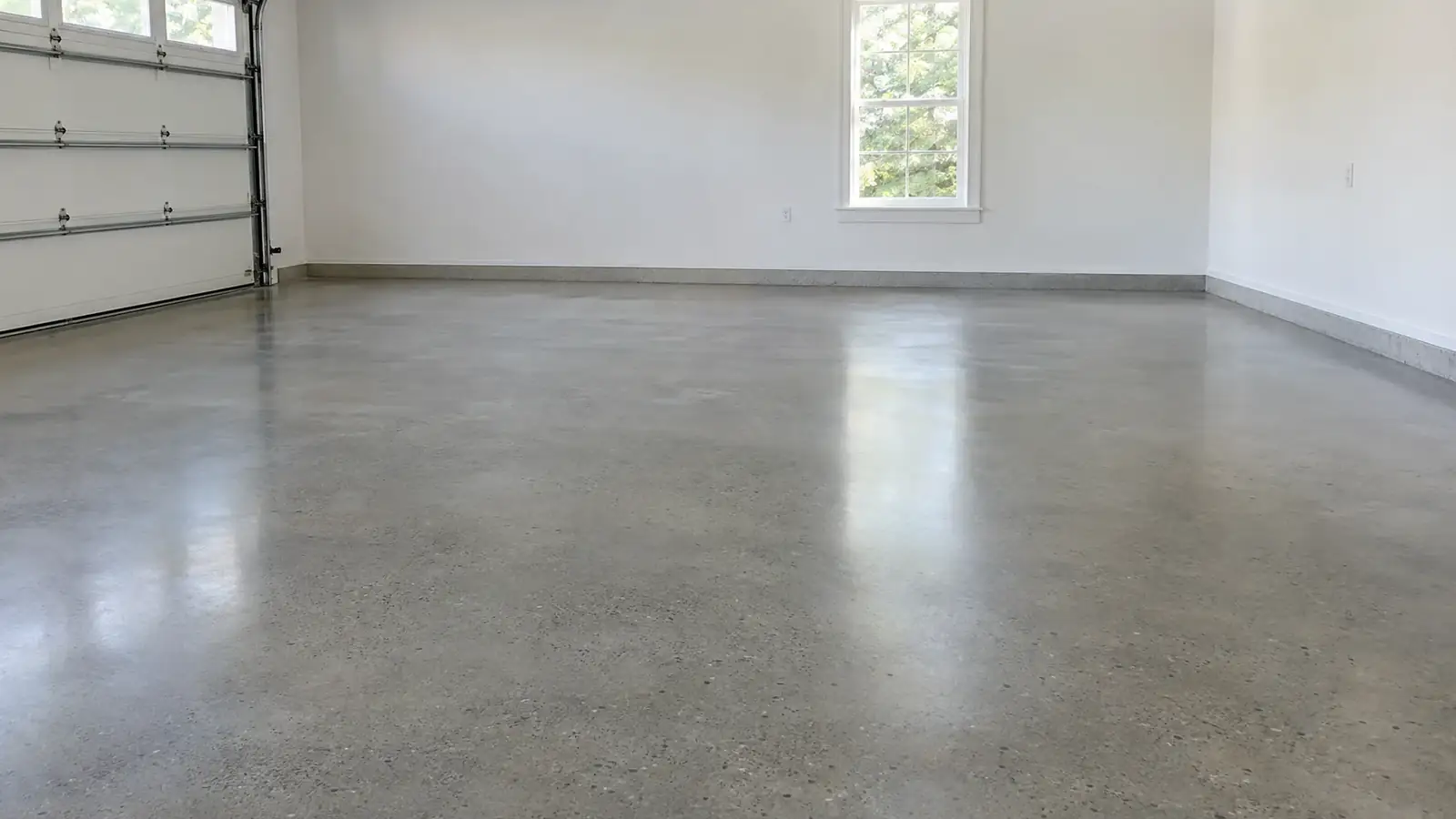
A sealed epoxy or polyaspartic floor stops bare concrete from shedding powder, but it cannot keep wind-blown desert dust out of the garage. What it does is make that dust easy to see and easy to remove. Seal the slab, seal the door edges, and dust mop before you wet mop.
Read the answer →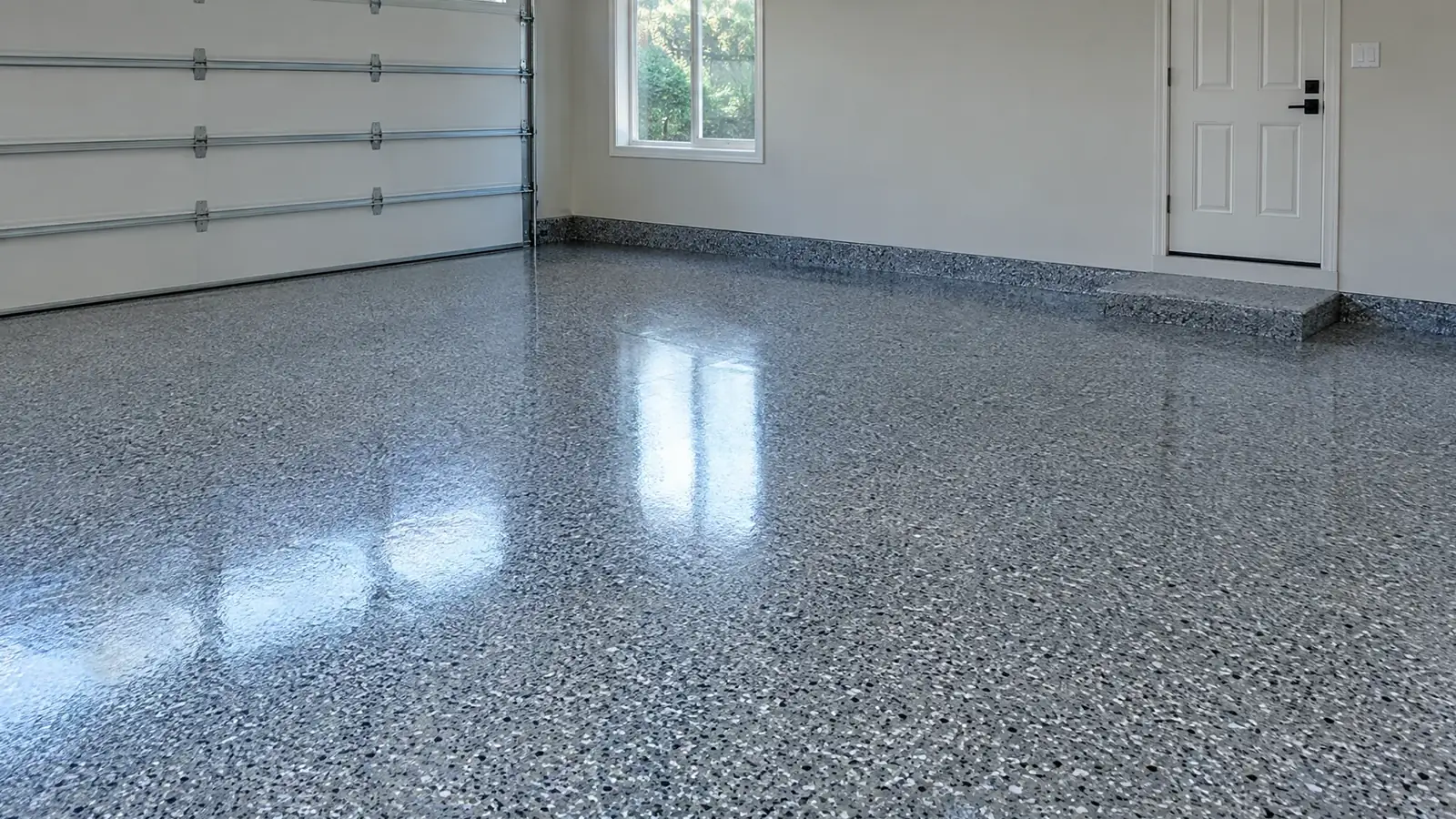
The best way to clean an epoxy garage floor is to dust mop or blow off the grit, then mop with warm water and a mild pH-neutral cleaner using a soft mop or microfiber pad. Rinse, then dry. Skip acids, harsh solvents, wax and abrasive pads that can dull the finish.
Read the answer →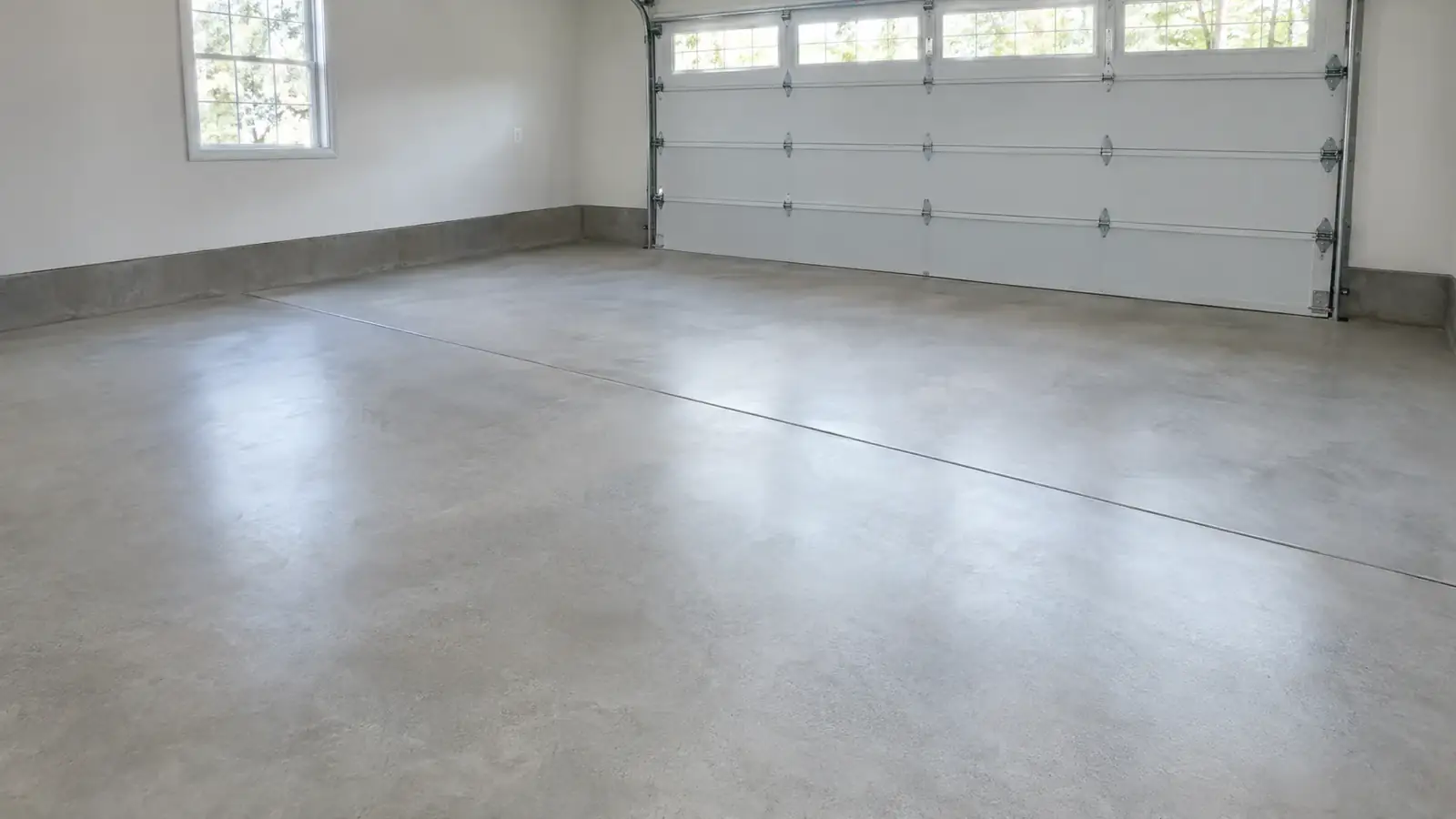
Yes, a garage slab should be checked for moisture before it is coated, even in a dry desert climate. Concrete can hold and pass water vapor, and that vapor can push a coating off the slab. Calcium chloride and in-slab relative humidity tests measure it, and a moisture-barrier basecoat protects against it.
Read the answer →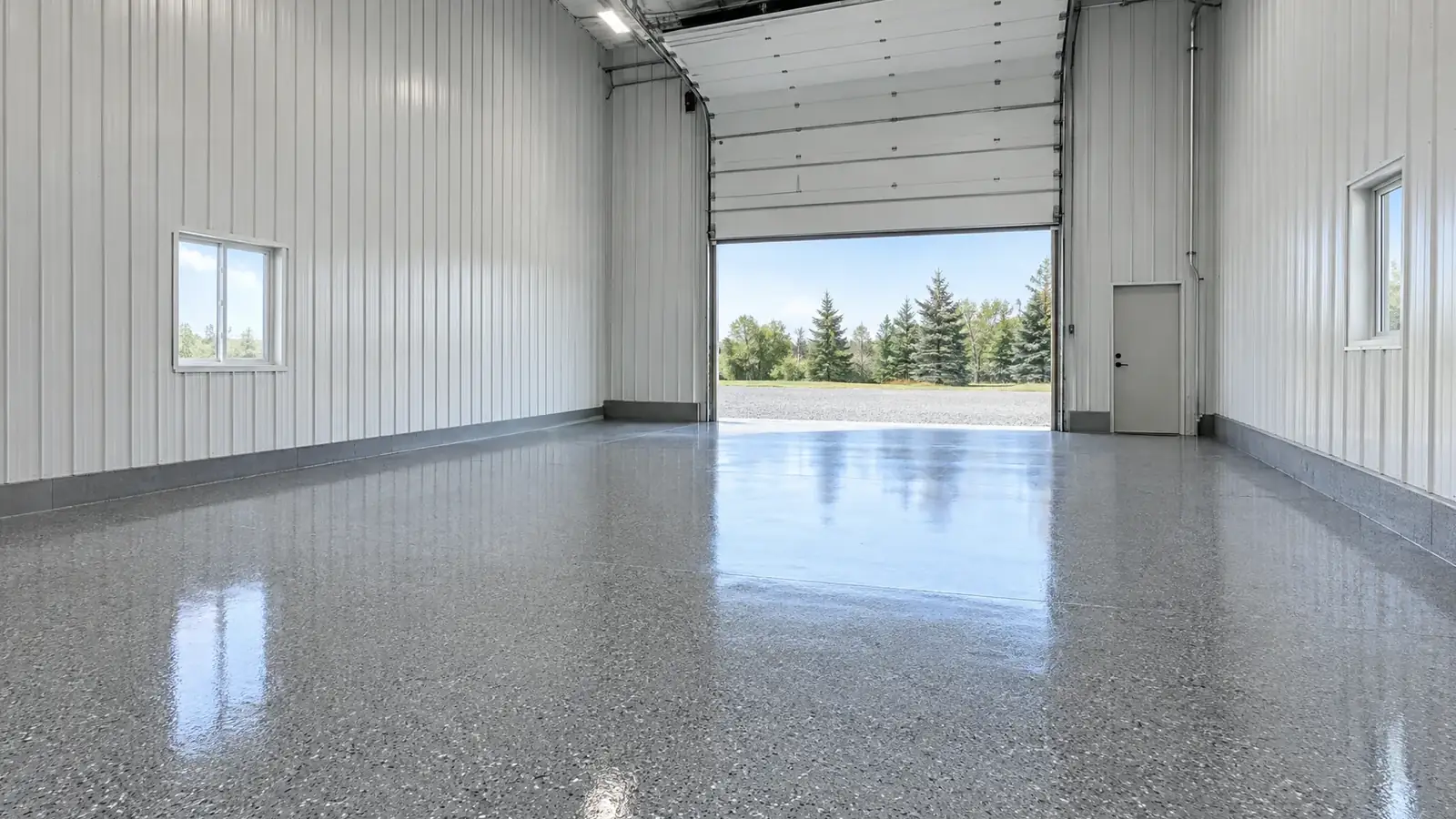
Yes, epoxy can handle an RV garage or workshop, because the concrete slab carries the weight and the coating protects its surface. The slab must be sound. A good system adds a deep bond, traction and a UV-stable topcoat. Large floors are measured and quoted at a free estimate.
Read the answer →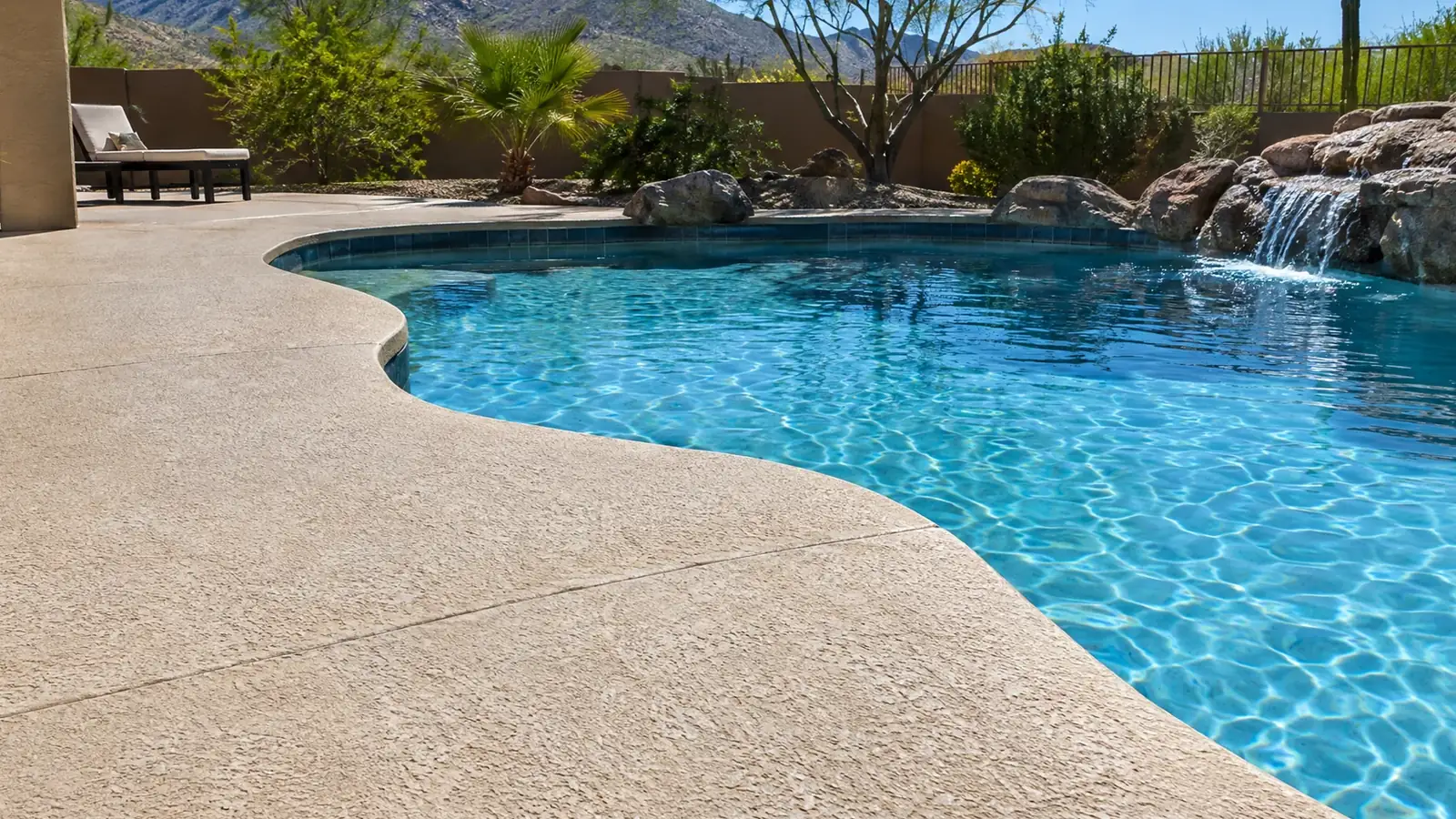
A coated pool deck is not slippery or too hot when it is built for the job. Slip resistance comes from texture added to the topcoat, and surface temperature depends mostly on color and sun. Lighter colors run cooler. Accent Epoxy Floors coats pool decks with a UV-stable topcoat and a grip finish.
Read the answer →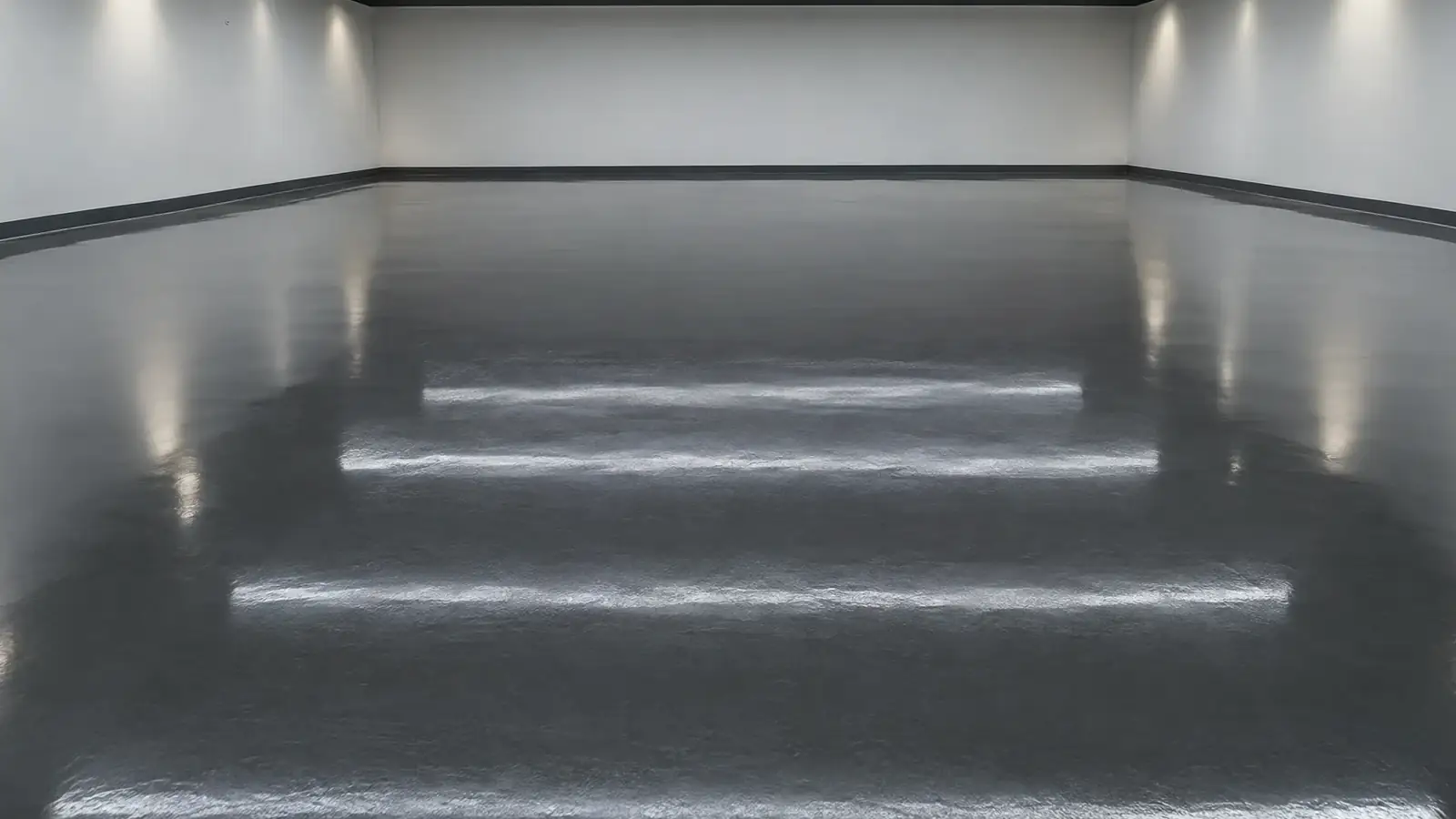
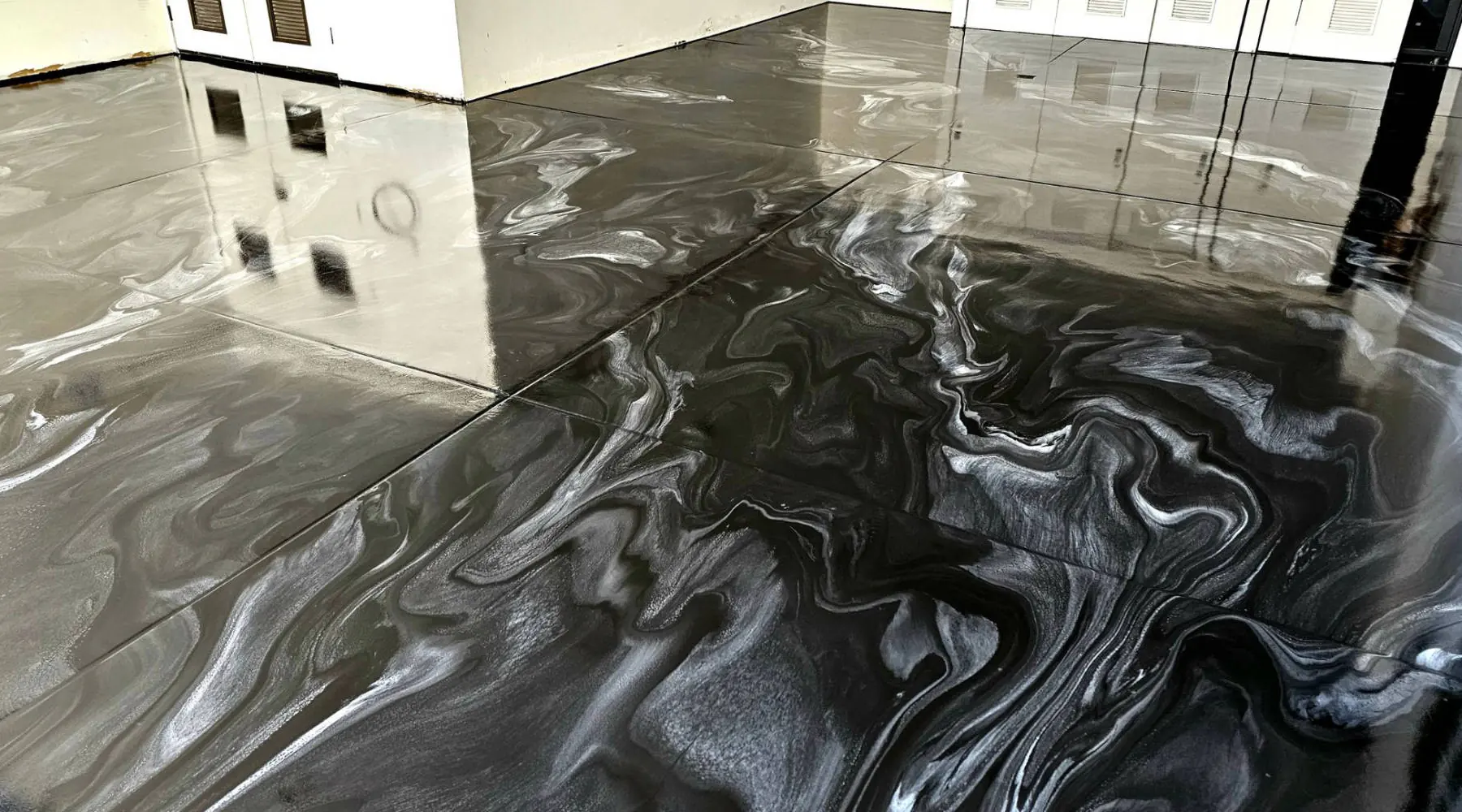
For a car collector or show garage, a metallic epoxy floor gives the most dramatic showroom look, while a flake floor is the easier one to live with. Metallic shows dust, scratches and tire marks more and costs more. Flake hides wear, installs in one day and costs less.
Read the answer →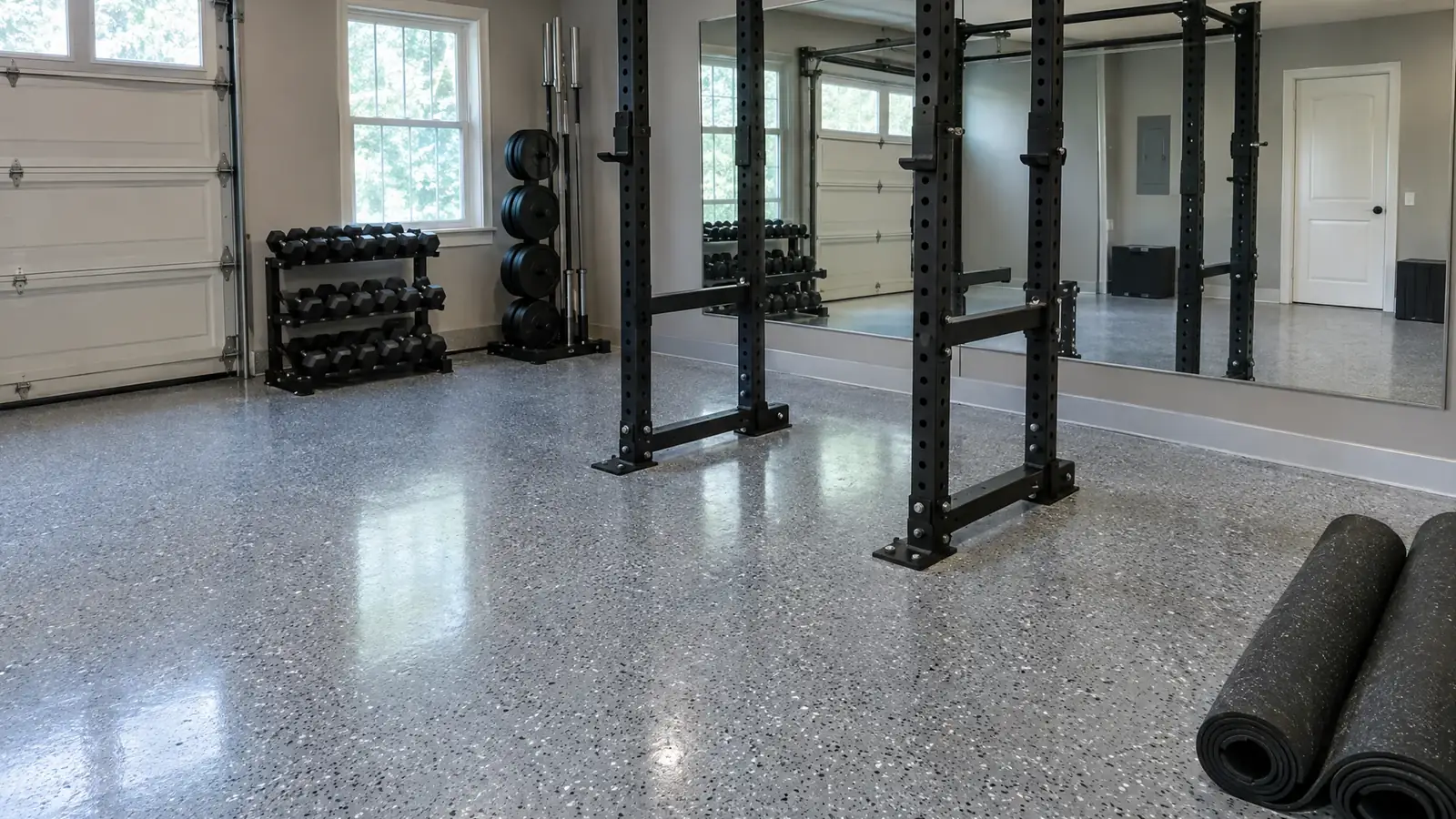
Epoxy or polyaspartic is a good base for a garage gym, but it is not a replacement for mats. The coating handles racks, benches and foot traffic well. It does not cushion impact, so dropped weights can chip it. Use mats or platforms where you lift heavy and drop plates.
Read the answer →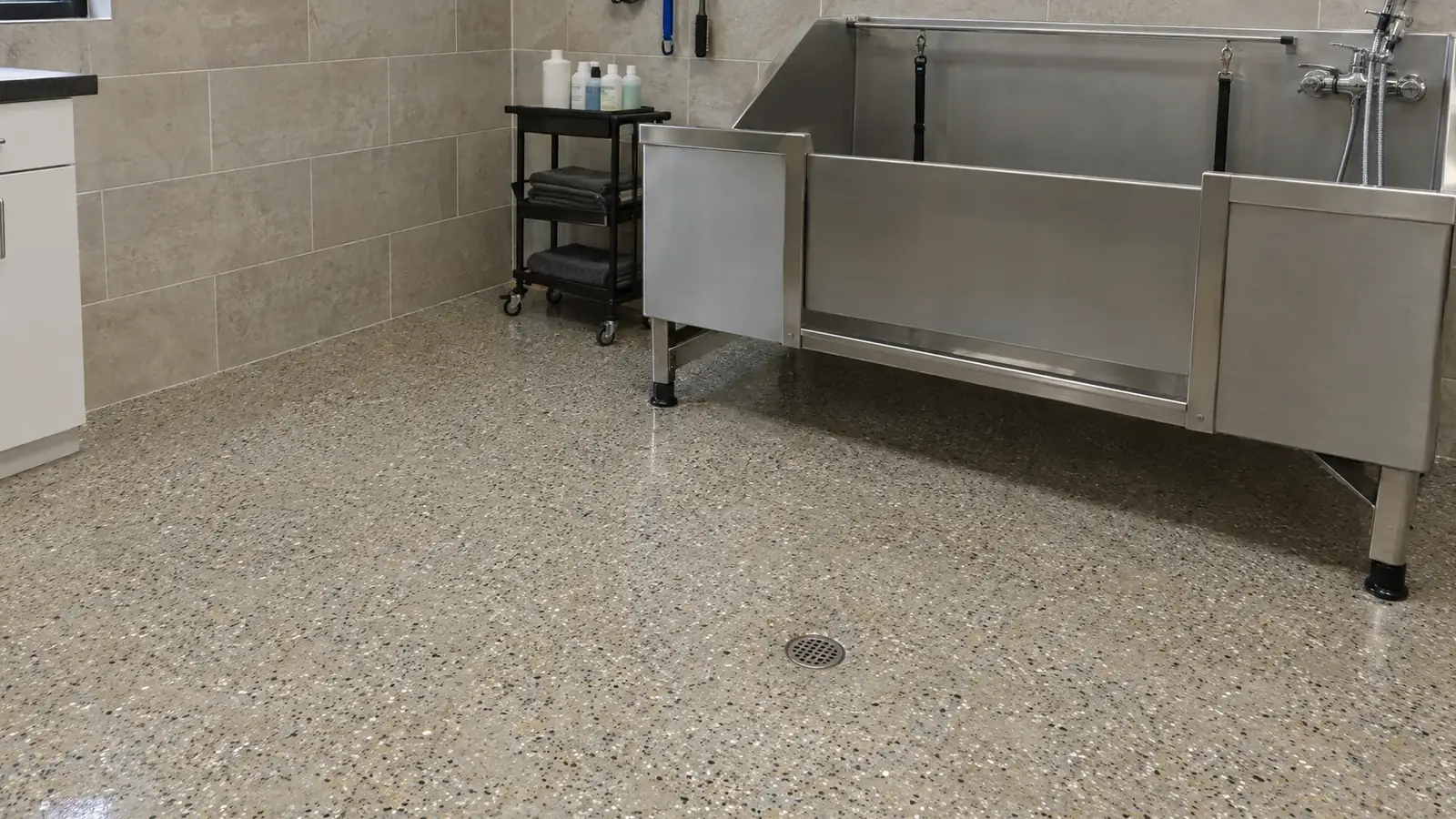
Yes, a fully cured epoxy or polyaspartic floor is a safe, easy-to-clean surface for dogs, kennels and grooming rooms. The sealed surface does not soak up urine or fur. The real tradeoffs are paw traction when wet, which cleaners you use, and keeping animals off the floor until it has cured.
Read the answer →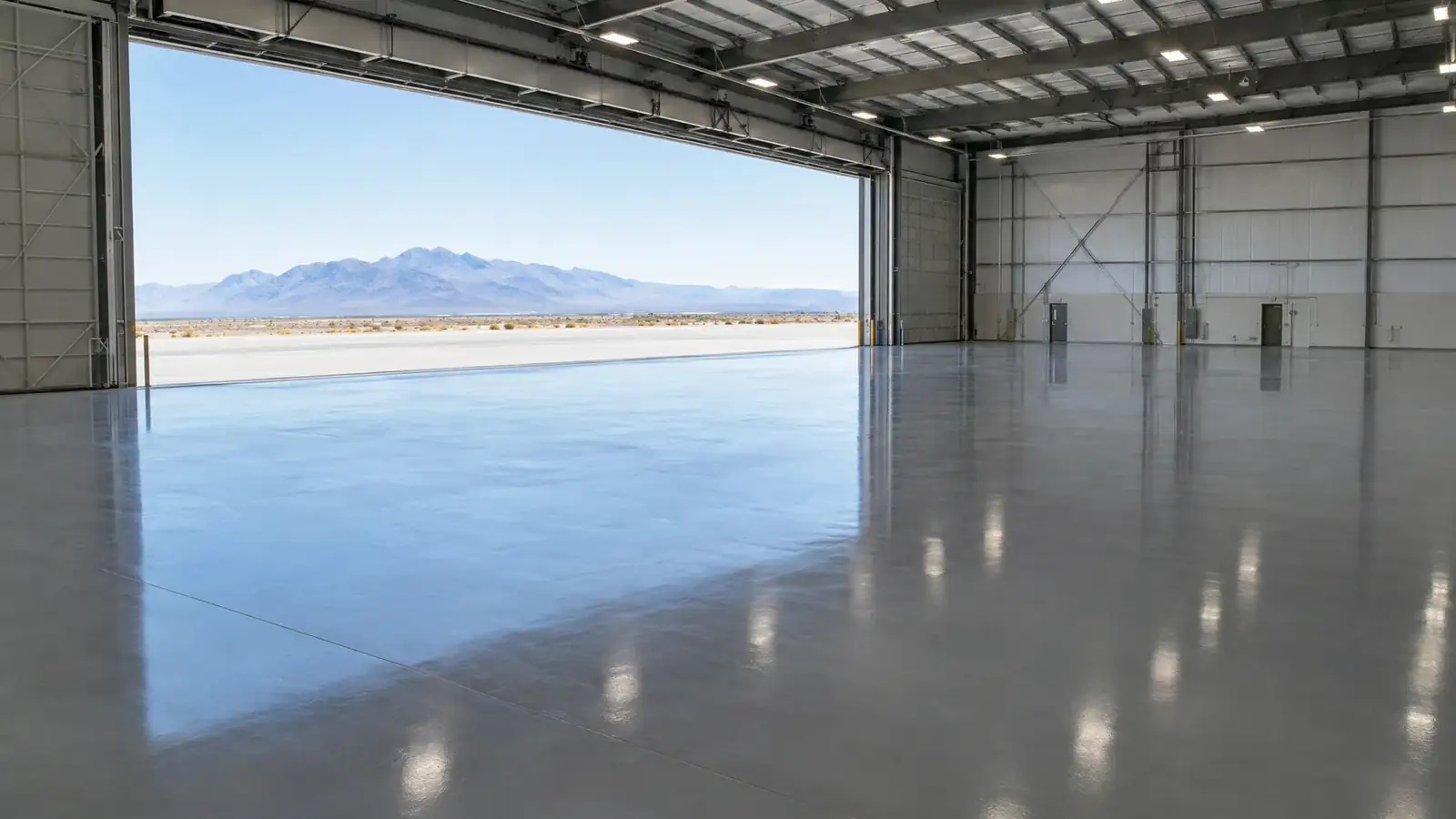
The right aircraft hangar floor is one specified for the hangar, not borrowed from a garage. It must resist fuel, Skydrol and hydraulic fluid, carry tugs, jacks and aircraft loads, stay slip resistant, and fit your downtime. Accent Epoxy Floors specifies the system after a site visit.
Read the answer →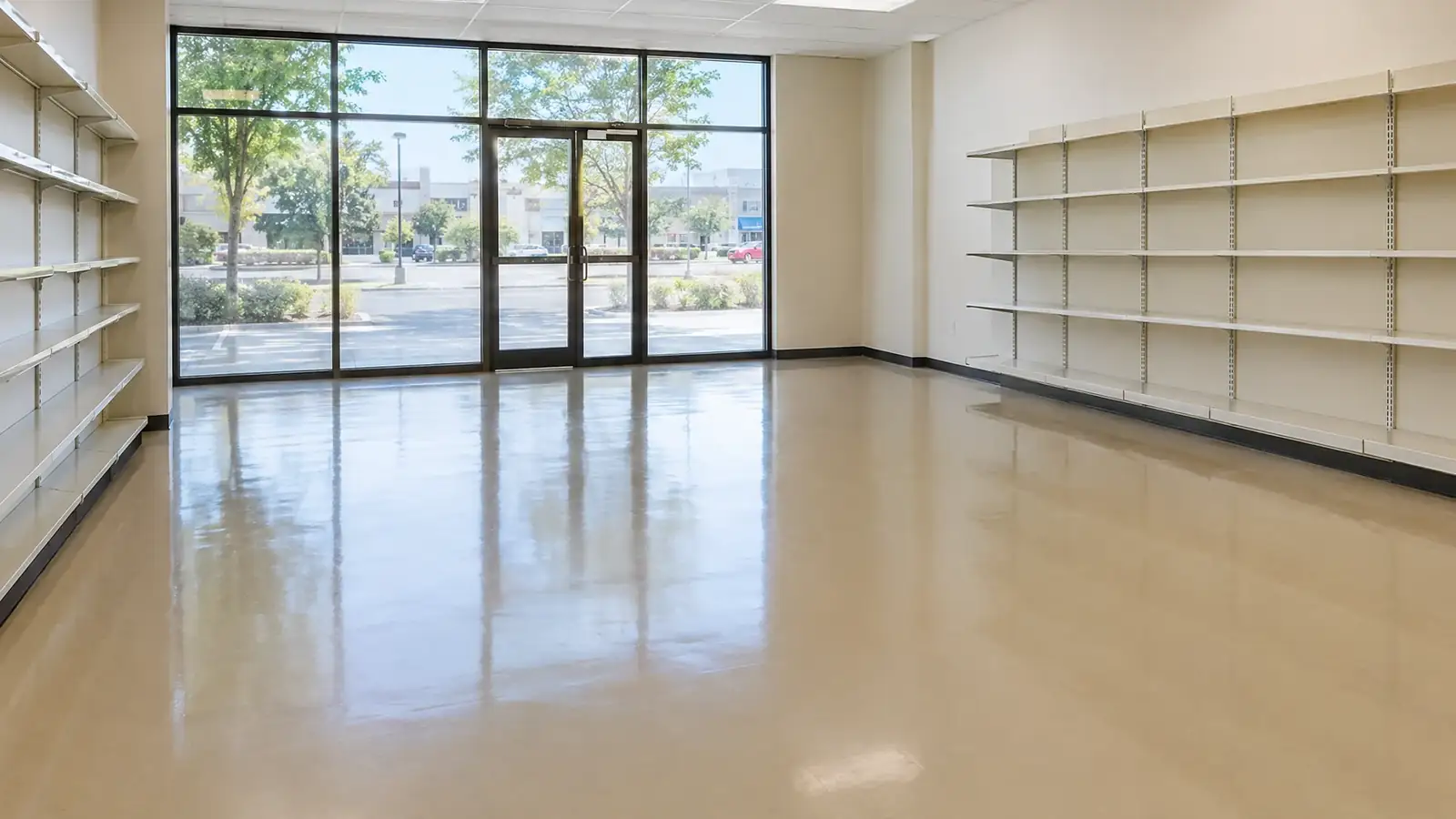
Plan on about one day of coating work for a flake system, two to three days for quartz, three days for solid color and three to four days for metallic. Your total closure also depends on moving stock, repairs and cure time before heavy traffic, so we confirm a schedule during the site visit.
Read the answer →See how a garage floor is built, compare flake, solid color and metallic systems, pick a shade from the color chart, browse finished floors or book a free estimate.
Call (661) 545-6676 or send the form at the top of the page.