 ACCENTEpoxy Floors
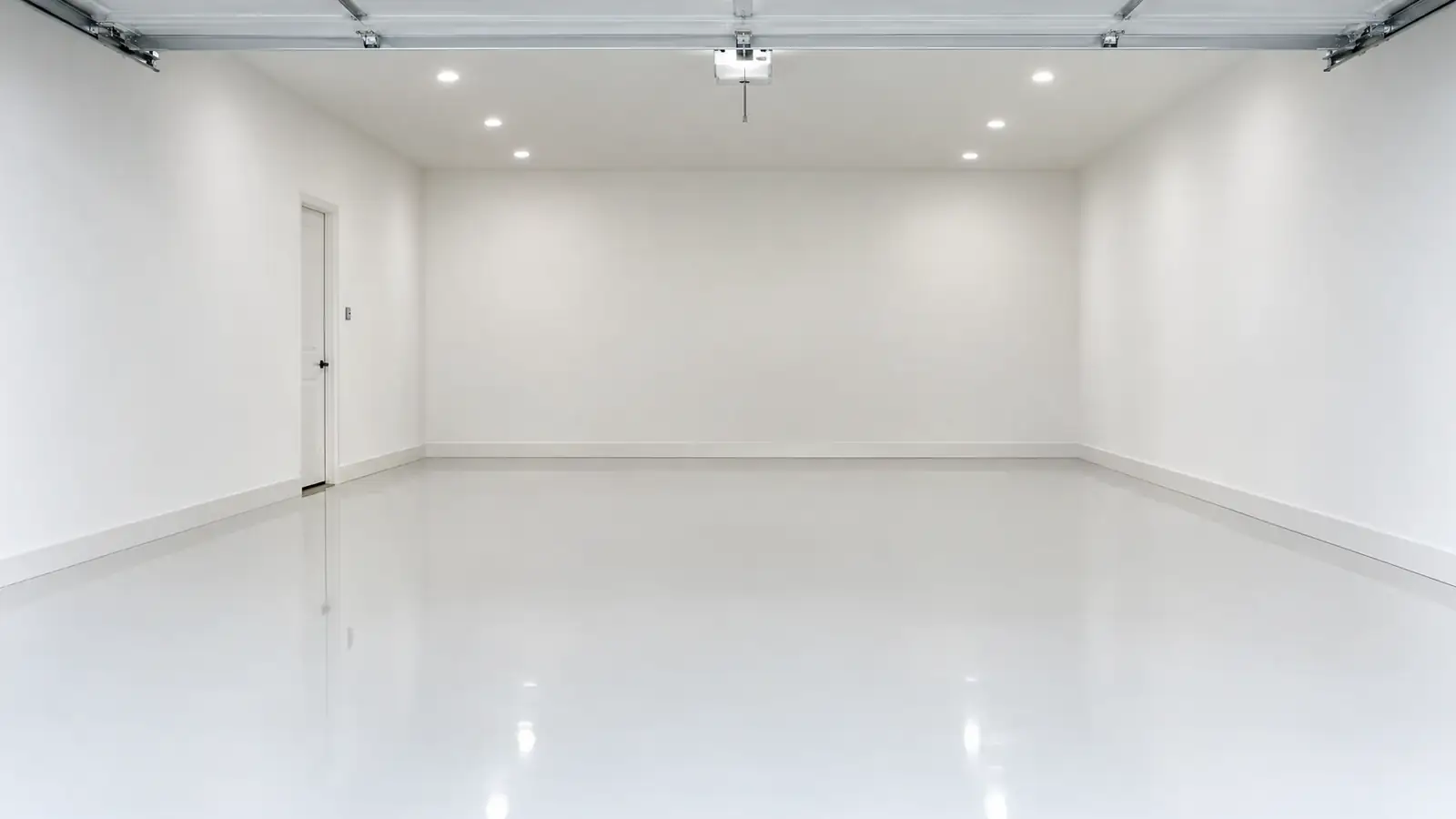
To prepare a garage for epoxy, empty it completely, move vehicles out, clear the walls, unplug appliances and make sure the crew has access to power and the space around the floor. The crew handles grinding, crack repair and cleaning, so do not etch, paint or seal the floor yourself.
To prepare a garage for epoxy, empty it completely, move vehicles out, clear the walls, unplug appliances and make sure the crew has access to power and the space around the floor. The crew handles grinding, crack repair and cleaning, so do not etch, paint or seal the floor yourself.
A coating crew can only work on a floor it can reach. The single most useful thing a homeowner can do before install day is give the crew an empty garage and clear access, and that is a lot less work than most people expect. You do not need to scrub the floor, etch it or buy a product from the hardware store. In fact, some of those do-it-yourself steps make the job harder. This guide covers what to move, what to leave alone, how oil stains and cracks are handled, how the Antelope Valley heat changes the schedule, and a short checklist for the day before. A standard two-car flake floor is done in one day, so the prep is short and the payoff is a finished garage.
Treat it as a moving day for the garage. Everything that sits on the floor comes out: cars, bikes, storage bins, freezers, workbenches, shelves and the pile of paint cans in the corner. Walls need to be clear along the base so the crew can work up to the edge. Hang-ups and wall-mounted items near the floor line should come off if they get in the way. Unplug refrigerators and freezers and plan a place for them to run elsewhere, because the garage door will be open and the floor will be off limits for the day. Sweep out loose debris, cobwebs and trash, and sort out the shelving that you plan to put back. If you can, remove or store anything with a strong smell, since solvents, gas cans and fertilizer should not be in the workspace. That is most of the job. Anything the crew can reach easily is faster to coat, and a clean start means a cleaner edge.
Do not etch, grind or seal the floor yourself. The crew diamond grinds the concrete, which opens the surface and removes old sealers, laitance and weak top layers, creating the bonding profile the coating needs. Acid etching, the do-it-yourself alternative, cleans less evenly and leaves residue and moisture behind that can interfere with the bond. Anything you put on the floor before we arrive, such as a hardware store sealer or paint, has to be ground off, so it adds work. Grinding creates fine dust, so ask how the crew controls it and whether the garage door and any connecting doors should stay closed. After grinding, the crew vacuums the floor, repairs cracks and joints, and applies the system. Your job is to give them access and a clear space. If you think the floor has an old coating, a previous sealer or an unusual stain, tell us at the estimate so it can be built into the plan.
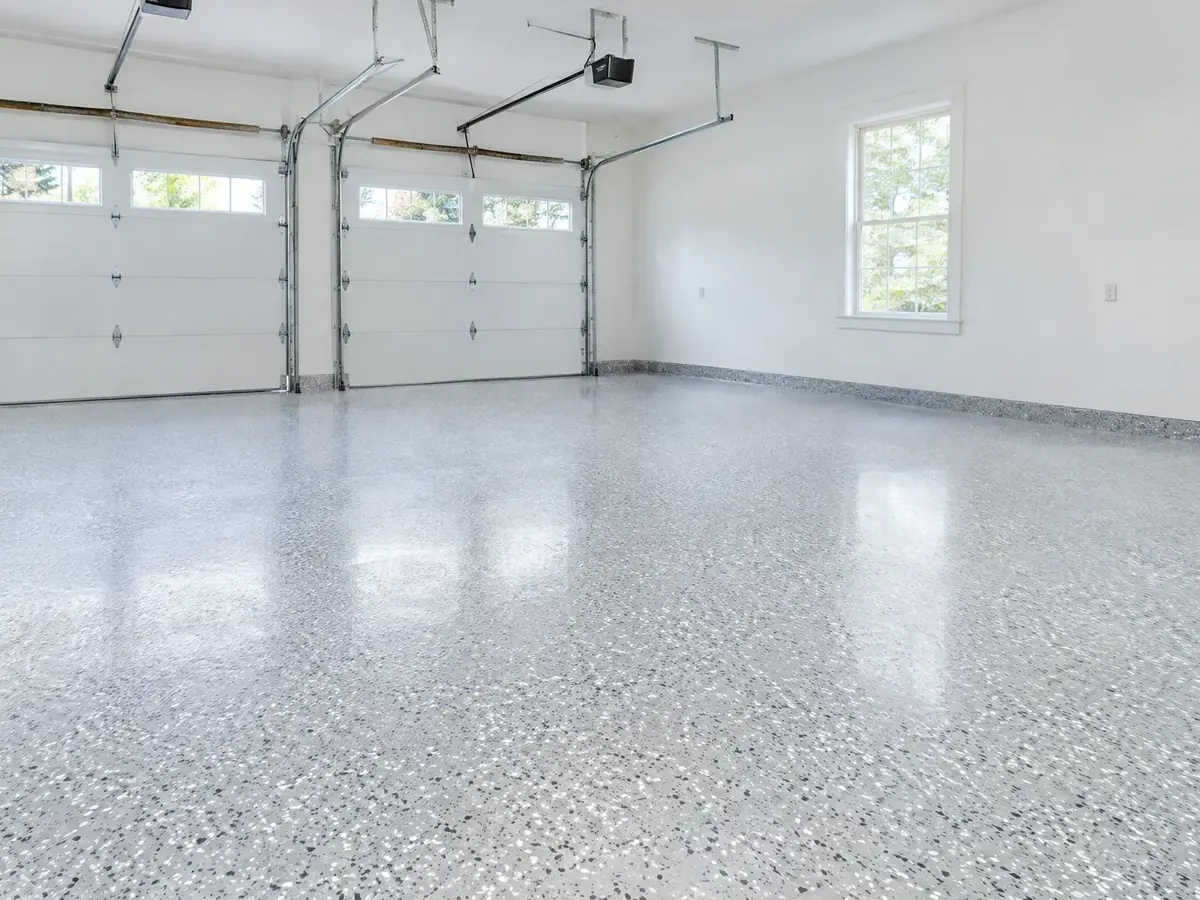
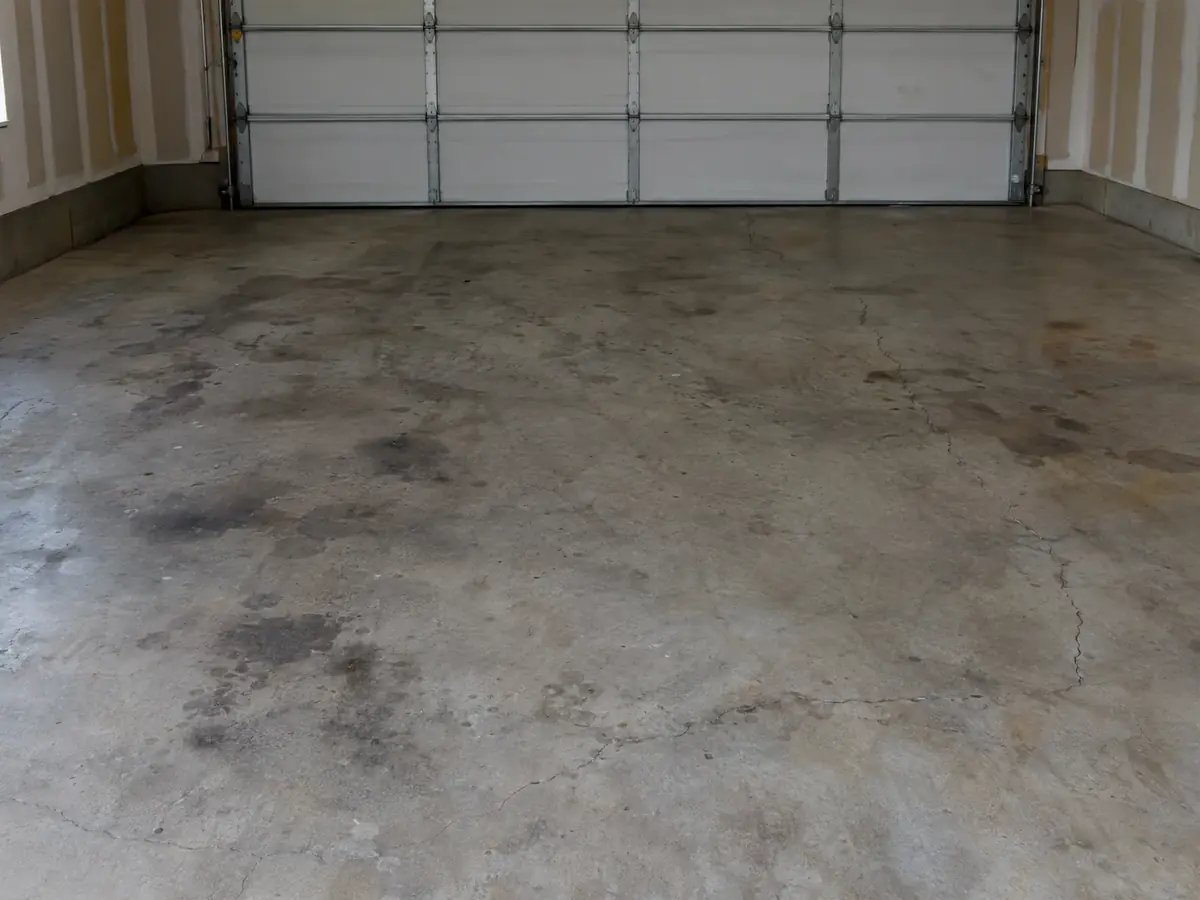
Leave them to the crew. Oil that has soaked into concrete can interfere with bonding, and a coating over a stain can fail in that spot. Diamond grinding removes surface contamination and a good deal of the oil, and deeper stains may need extra treatment, which we assess when we see the floor. Cracks and spalled areas are repaired with the right filler before coating, and control joints and expansion joints need a plan, because they are meant to move. Do not fill cracks with caulk or a patch from the store, since that can create a weak spot. What helps most is telling us what you know. If a crack has grown, if the slab has settled, if there was a leak or a vehicle that dripped for years, say so. Photos help at the estimate. We would rather know early than discover it when the grinder is running. A free estimate is the right place to raise all of it.
Yes, if the slab is new or you suspect damp, testing is part of preparation. New concrete should be allowed to cure and dry before it is coated, and the time needed depends on the thickness and conditions. Older slabs can still hold moisture, so a check is worthwhile before a coating goes down. Our separate guide explains the calcium chloride and relative humidity tests and why a moisture-barrier basecoat is often used. For your prep, the useful steps are to fix any active leak, point downspouts and sprinklers away from the garage, and mention any dark patches or sweating to the crew. Do not try to dry the slab with fans or heaters, and do not seal it to hold moisture back. The system is chosen after the floor has been looked at, and that includes the moisture question. If testing is needed, we will tell you before install day, not during it.
Heat shortens the working time of the coating, and a slab that is warming through the day can release air that causes bubbles in a fresh finish. For that reason, the crew starts early, watches the slab temperature and sometimes shades the garage. July highs in the valley average around 97 to 98 degrees Fahrenheit, with big swings between day and night. You can help by keeping the garage door shut until the crew arrives, if the heat is building, and by not parking a car in the driveway that blocks access. Plan for the day to be dusty and a little noisy during grinding. Pets and children should be somewhere else, because fumes and dust are not good for them, and a curious paw on wet coating is a mess. Wind can blow dust into a wet floor, so on very windy days we may talk to you about the timing.
Keep it short. Vehicles are out of the garage and not blocking the driveway. The floor is empty, and walls are clear along the base. Freezers and refrigerators are unplugged and moved. Anything with a strong smell is out. Power and water access are confirmed with the crew, so ask at the estimate what they need. Pets have a plan for the day. Sprinklers that spray the garage slab or driveway are off. You know where the crew can park and where the dumpster or debris will go. Tell your HOA or neighbors if rules need it, since we cannot confirm what applies to your community. Finally, plan for the floor to be off limits after the install, with the cars staying outside for the time we give you. A standard two-car garage flake floor is a one-day install, and a solid color floor takes three days, so plan around the system you chose.
We tell you the specific time frame for your system and the product used, because return-to-service times depend on the coating, the weather and the temperature. Do not guess. Light foot traffic comes first, then furniture and storage, and vehicles come last. Put things back gently and avoid dragging heavy items, which can scratch even a cured floor. Use felt or rubber pads under shelves and tool boxes, and do not stack wet items on the new surface. Keep sprinklers and wet gear off the floor for the first days. Cleaning is simple once it is cured: sweep, then damp mop with a mild cleaner. Our cleaning guide covers the details. If anything looks wrong in the first days, such as a cloudy patch, a spot that feels tacky or a mark you are unsure about, call us and send a photo. Questions about your garage are easiest to answer while the job is fresh.
Empty the garage, clear the walls, confirm access and leave the grinding, repairs and cleaning to the crew. That is all the prep a good install needs. Call Accent Epoxy Floors at (661) 545-6676 for a free estimate. Call (661) 545-6676 for a free estimate.
Empty the garage completely, move cars out, clear the wall bases and unplug appliances. The crew handles the grinding, crack repair and cleaning, so you do not need to scrub, etch or seal the floor. Confirm power and access with the crew at the estimate.
Remove everything that sits on the floor: vehicles, bikes, shelves, bins, freezers, workbenches and anything near the walls. Take out solvents, gas cans and strong-smelling items too. The crew needs a clear floor and clear edges to work.
Yes, but the crew does it, not you. Diamond grinding opens the concrete and creates the bonding profile that holds the coating. It removes sealers and weak layers that etching or sweeping cannot. Do not apply anything to the slab before we arrive.
No, diamond grinding is the better preparation. Etching cleans less evenly, can leave residue and moisture, and does not remove sealers or contamination as well. A ground surface gives the coating a more reliable bond, which is why we grind every floor.
Often yes, after the stains are treated. Oil that has soaked in can hurt the bond, so grinding and, where needed, extra treatment come first. Tell us about stains and leaks at the free estimate so the plan covers them.
A standard two-car garage flake floor takes one day. Solid color takes three days, metallic three to four, and quartz or sand finish two to three. We confirm the schedule at the estimate and tell you when vehicles can go back.
Durable, easy-to-clean garage floors that resist hot-tire pickup, oil and salt. Most two-car garages are done in one day.
Learn more →Full-rejection flake over a moisture-barrier epoxy basecoat, sealed with a UV-stable polyaspartic topcoat. Installed in one day.
Learn more →Diamond-ground concrete finished with a clear sealer for a natural, low-maintenance floor at the lowest installed price.
Learn more →Epoxy turns yellow because ultraviolet light and heat slowly break down the resin, a change called ambering. It shows first where sun hits the floor, usually near the garage door. A UV-stable polyaspartic topcoat, a color that hides slight change and less direct sun on the slab are what prevent it.
Read the answer →A sealed epoxy or polyaspartic floor stops bare concrete from shedding powder, but it cannot keep wind-blown desert dust out of the garage. What it does is make that dust easy to see and easy to remove. Seal the slab, seal the door edges, and dust mop before you wet mop.
Read the answer →The best way to clean an epoxy garage floor is to dust mop or blow off the grit, then mop with warm water and a mild pH-neutral cleaner using a soft mop or microfiber pad. Rinse, then dry. Skip acids, harsh solvents, wax and abrasive pads that can dull the finish.
Read the answer →Call (661) 545-6676 or send the form at the top of the page. We reply the same day.