 ACCENTEpoxy Floors
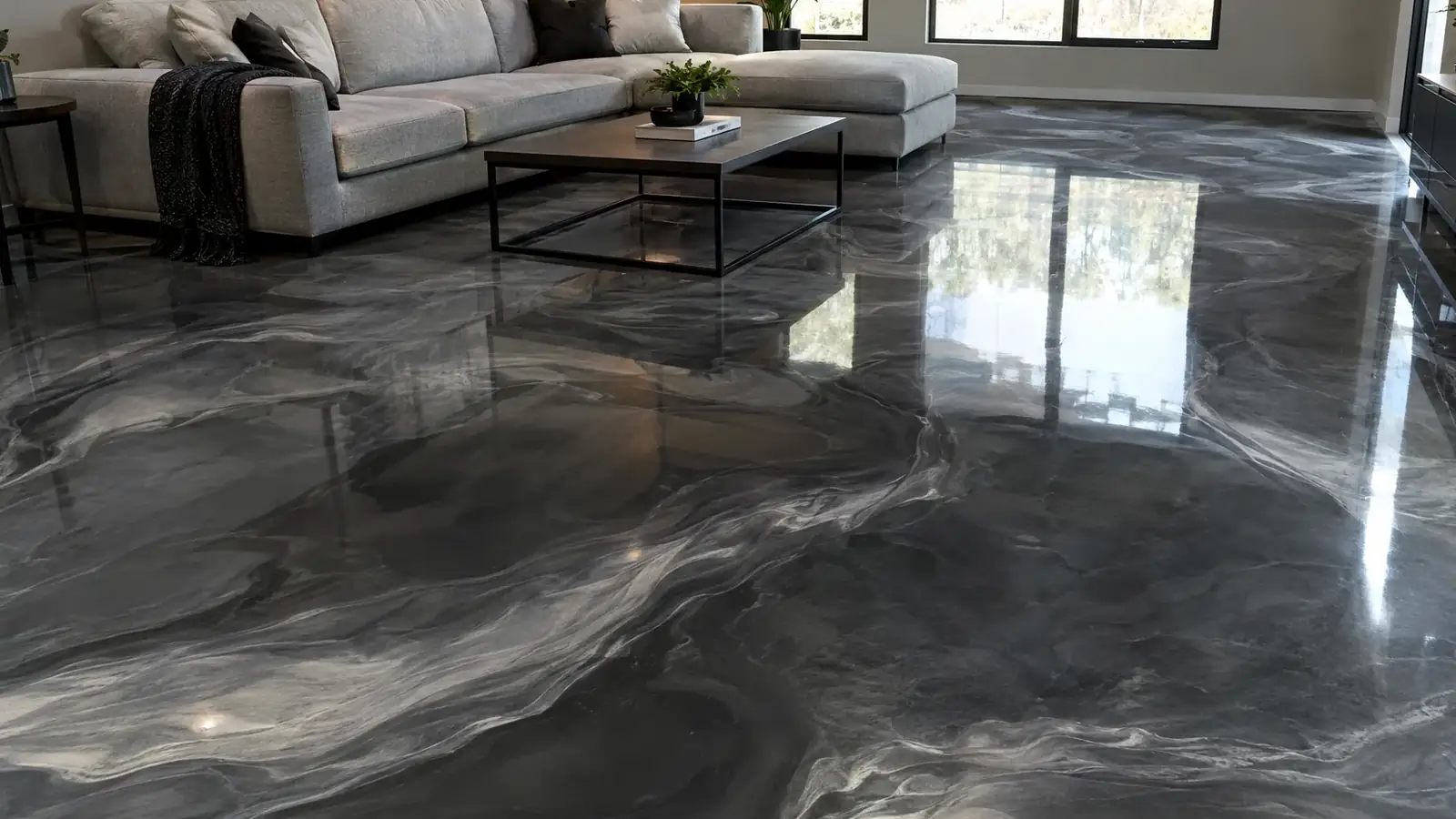
Metallic epoxy turns plain concrete into a pearly, swirling surface that looks like polished stone or liquid metal. Every floor is hand-worked, no two match, and you pick the palette from 24 metallic colors.
A metallic epoxy floor is a clear epoxy mixed with metallic powder and pigment, then moved by hand into marbleized swirls over a colored base coat. No two floors match. In Lancaster it costs $12.50 to $18.50 per square foot, or $5,000 to $7,400 for typical projects, and takes three to four days.
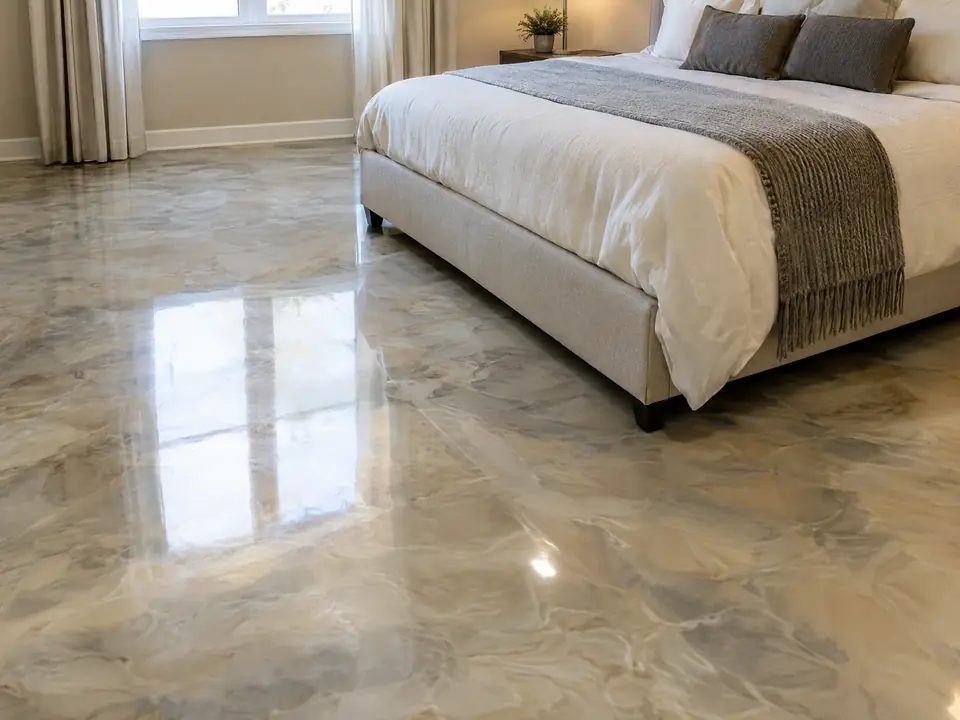
Most floors are chosen to disappear. A metallic epoxy floor is chosen to be looked at. Light moves across the surface like light across water, with pearly highlights, deep pockets of color and veining that recalls polished marble, brushed copper or a night sky. Walk into a room finished this way and the floor becomes the feature, which is why we install it in living rooms, home bars, salons, showrooms and the garages of people who treat their cars as more than transportation.
It is also the most hands-on system we offer, and we want you to know what that means. The look comes from a person with a roller, a squeegee and a lot of experience, working the material while it is still alive. That makes each floor a unique piece of work, and it makes the result depend on skill, timing and slab conditions in a way a plain solid color floor does not. This page explains how the swirls are made, where they look best, what they cost and where they are not the right call.
Accent Epoxy Floors is based in Lancaster and installs metallic floors across the Antelope Valley. We are straightforward about the tradeoffs, including cost, a longer schedule and the extra care needed when the high desert is hot. If you are comparing options, a free estimate is the time to ask for samples and hold them next to your cabinets, walls and lighting before anyone mixes a bucket.
Metallic epoxy is a three to four day job, longer than a flake system because there are more layers and each one has to cure properly. A typical sequence is grinding and repair, a primer and base color, the metallic pour, and the protective topcoat, with time in between that your written quote spells out. Light foot traffic is usually possible after the topcoat firms up, and vehicles and furniture wait longer. In desert summers we start early, work in the cool part of the day and avoid pouring onto a slab that is still warming, because heat shortens working time and can trap air in the coating.
Choose metallic when the floor is meant to be the feature of the room and you accept the higher cost. Pick a solid color epoxy floor for a calm, uniform surface at a lower price. Pick a flake epoxy floor if you need a forgiving, one day system for a hard-working garage. Pick a quartz finish when traction on a patio or stairs is the priority, and choose grind and seal when the budget is tight and you like natural concrete. For a showroom garage or a designer room, metallic is the one that earns the compliments.
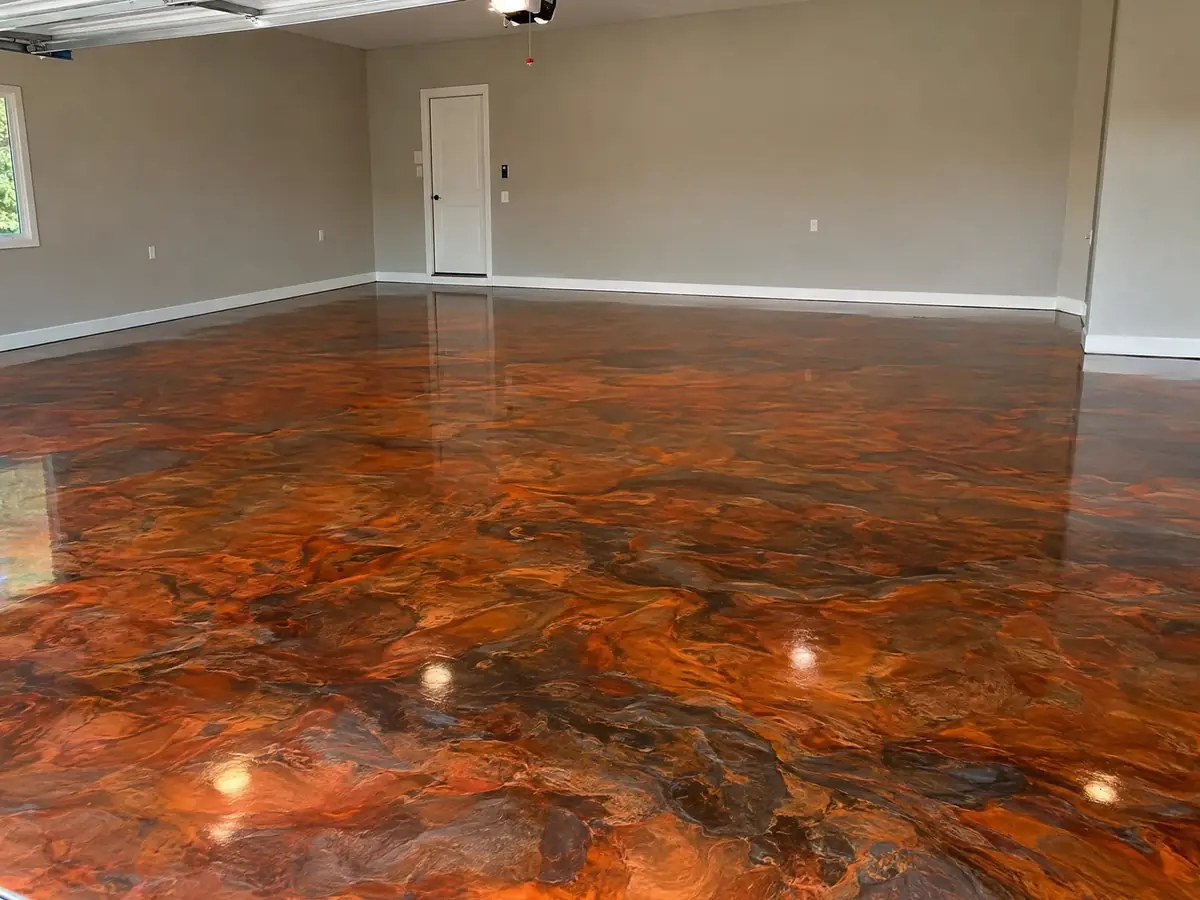
A metallic floor is built in layers. After grinding, repair and a primer, we roll a solid colored base coat. That color matters, because it sets the mood of everything above it: a black base gives deep, dramatic contrast, while a lighter base gives a softer, sandier effect. Then comes the clear epoxy mixed with a pearlescent metallic powder and, often, a second tint. The mix is poured in ribbons across the floor and moved with rollers, squeegees, brushes and gloved hands so the pigment drifts, pools, feathers and separates on its own. Where the material is thin, the base shows through. Where it is thick, the metal particles settle and shine. A light pass with a heat source helps release trapped bubbles and open the pattern. Nothing is stamped or printed, so the marbled effect is truly random and cannot be repeated. A final clear coat, usually polyaspartic or a hard urethane, locks the depth in and gives the floor its wet, glassy look. The topcoat also carries the UV protection, which matters a great deal in Lancaster sunlight.
Metallic shines in rooms where the floor is part of the design. Home bars, media rooms, entryways, kitchens and open living spaces are natural fits, and a pearl or champagne tone can make a plain slab read as high-end stone. In a commercial setting, salons, boutiques, car showrooms, restaurants and office lobbies use the same swirling movement to set a brand impression. In the garage, the showroom look suits collector cars, hot rods, motorcycles and entertaining spaces where the door is often open. Our color chart offers 24 metallic colors, from quiet silvers and bronzes to saturated blues, greens and violets, and many are made by pairing a base color with a second powder. Bring in a paint chip, a cabinet door or a photo of a room you love, and we will build a sample that works with it. Darker palettes with silver or pearl highlights feel dramatic and masculine, while champagne, sand and soft gray feel calm and warm. A metallic floor is rarely the right choice for a rough work bay with dropped steel and grinding sparks, where a flake epoxy floor holds up better.
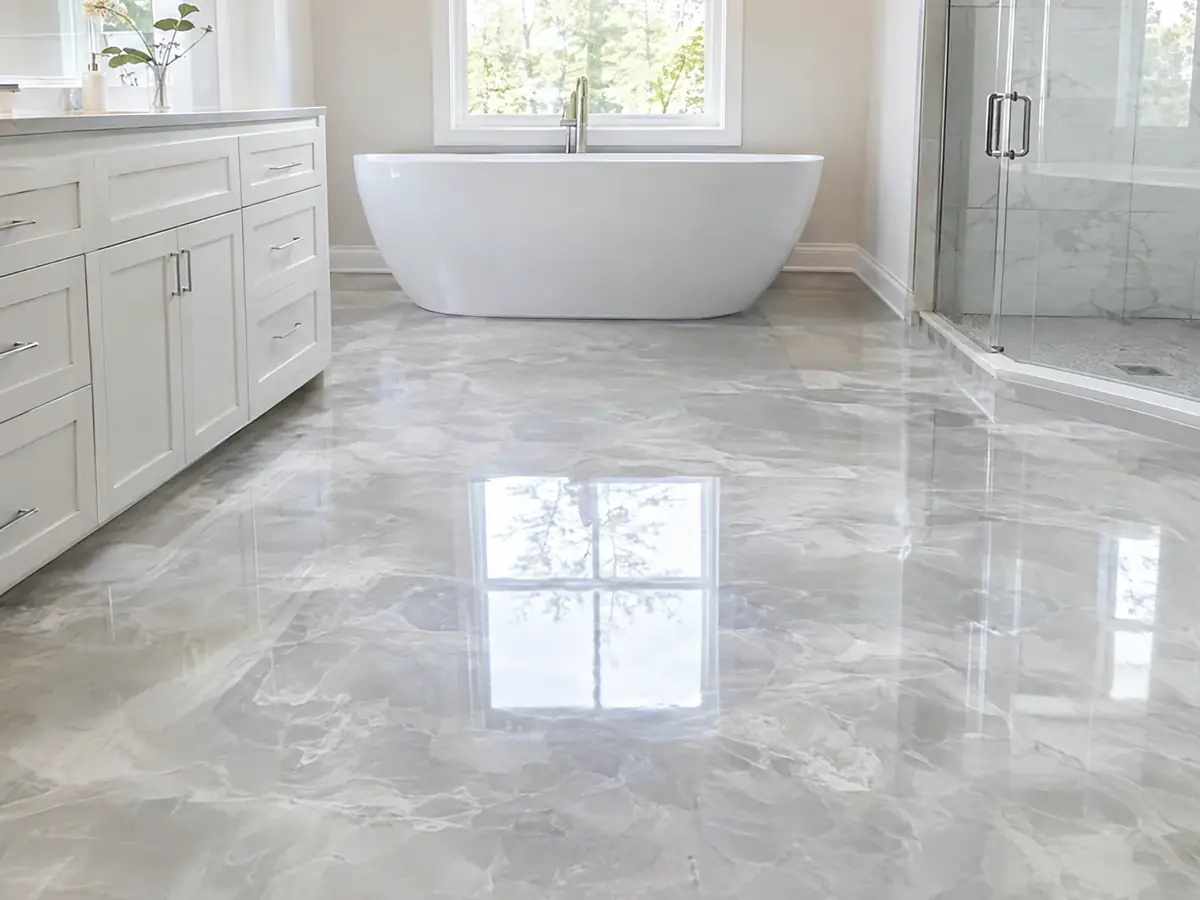
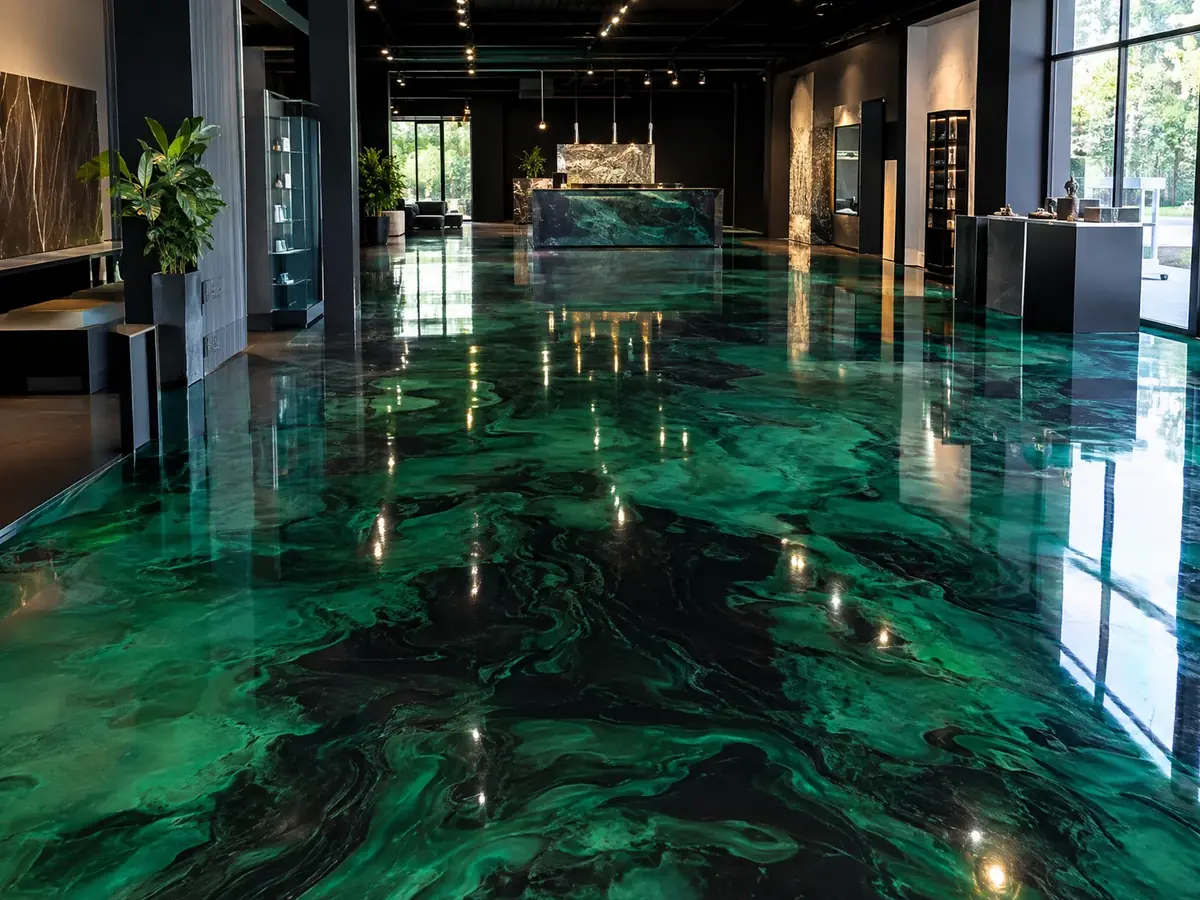
Cost comes first. Metallic runs $12.50 to $18.50 per square foot, which is more than flake or solid color, because the materials are pricier and the labor is slower. Skill comes second. A poor application leaves visible lap lines, muddy color, or bare spots, and the only fix is a recoat, so choose your installer by the work you can see. Third, the floor is glossy by nature, and gloss shows fine scratches, swirl marks, dust and tire residue more than a speckled surface does. A satin topcoat or a regular mop routine helps. Fourth, a gloss surface can feel slick when wet, so we can add a fine non-slip additive to the final coat in a wash area or by an outside door. Fifth, repairs are hard to hide. Because the pattern is random, a patched section never matches perfectly, which is why we ask you to treat a point load like a jack stand with the same care as a table leg. If you want a floor that forgives abuse, choose another system. If you want a floor that makes people stop and look, metallic is worth every dollar.
Yes, but heat changes how we work. Metallic needs open time, meaning minutes to move the pigment before the mixed epoxy begins to set, and high temperatures shorten those minutes. A sun-heated slab also warms through the day, and warm concrete can release air into the wet coating and leave pinholes and tiny bubbles. Lancaster averages July highs in the high 90s, and Palmdale sees roughly 35 afternoons a year at or above 100 degrees. So we start early, shade the garage when we can, keep buckets out of the sun, mix in smaller batches and watch the slab temperature trend rather than just the air temperature. On the hottest weeks we may suggest moving the pour to a cooler stretch, and spring and fall are easy times for a showpiece floor. Cold desert nights also slow the cure, so the overnight temperature is part of our plan. Plan on three to four days from first grind to final topcoat, and keep pets, vehicles and heavy traffic off until your installer clears the floor. Rushing a metallic floor is how swirls turn muddy, and we would rather lose a day than lose the look.
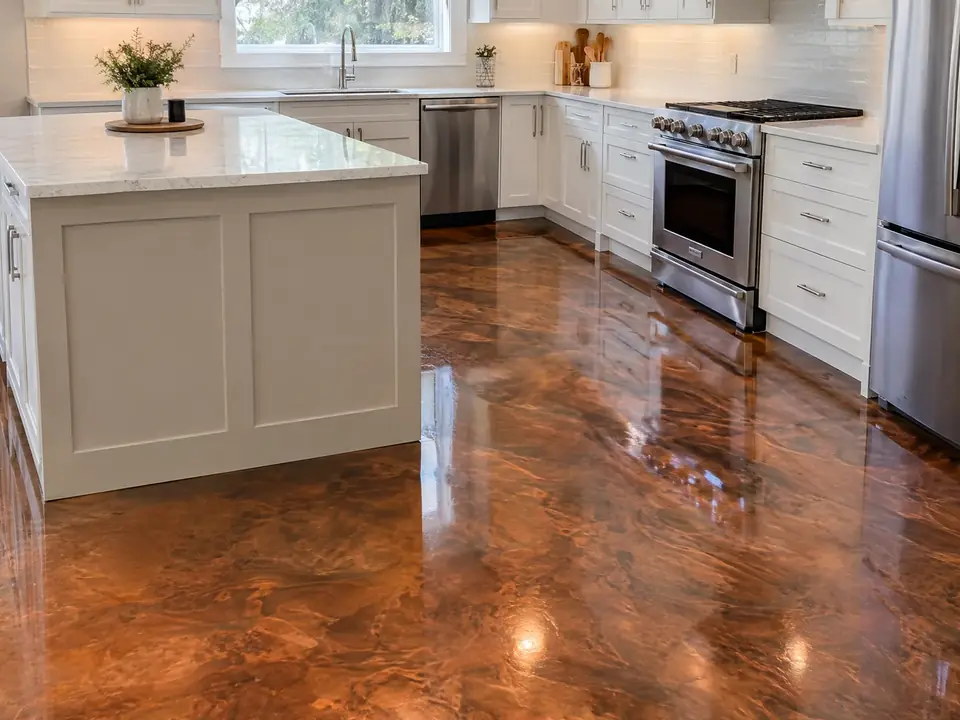
The pattern is worked by hand and cannot be repeated, so your floor is a custom piece nobody else has.
Choose from 24 metallic colors on our color chart, or pair a base and a powder to build your own palette.
Pearlescent particles catch light from every angle, giving the surface a deep, glass-like look that flat coatings cannot match.
With no grout lines or seams, the surface sweeps and mops clean and keeps spills from soaking into the slab.
Stains, patches and uneven color in the slab disappear into the swirls once the surface is properly ground and repaired.
A designer-grade floor in a garage, bar, salon or showroom makes the whole space feel more finished and more expensive.
Typical ranges for Lancaster and the Antelope Valley. Minimum project $2,600. Commercial and industrial work is quoted after a site visit.
| System | Price per sq ft | Typical project |
|---|---|---|
| Flake system (garage, up to 400 sq ft) | $6.50 – $10 per sq ft | $2,600 – $4,000 |
| Solid color system | $9.50 – $11.50 per sq ft | $3,800 – $4,600 |
| Metallic epoxy system | $12.50 – $18.50 per sq ft | $5,000 – $7,400 |
| Quartz & sand finish system | $9 – $16.50 per sq ft | $3,600 – $6,600 |
| Grind & seal (clear sealer) | $6.50 – $9 per sq ft | $2,600 – $3,600 |
| Patio, driveway & pool deck | $8 – $12 per sq ft | $3,200 – $4,800 |
| Commercial & industrial | Quoted after a site visit | Quoted per project |
Prices and details reviewed November 2026. Project examples assume a two-car garage up to 400 sq ft. Free on-site measurement and written estimate. See the color chart to pick your color.
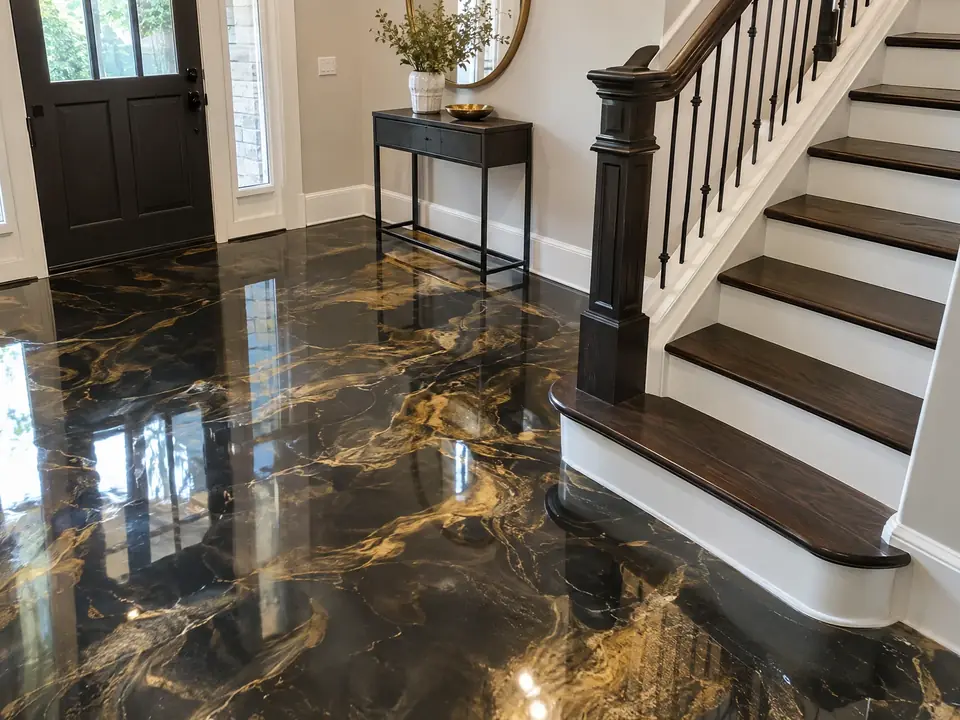
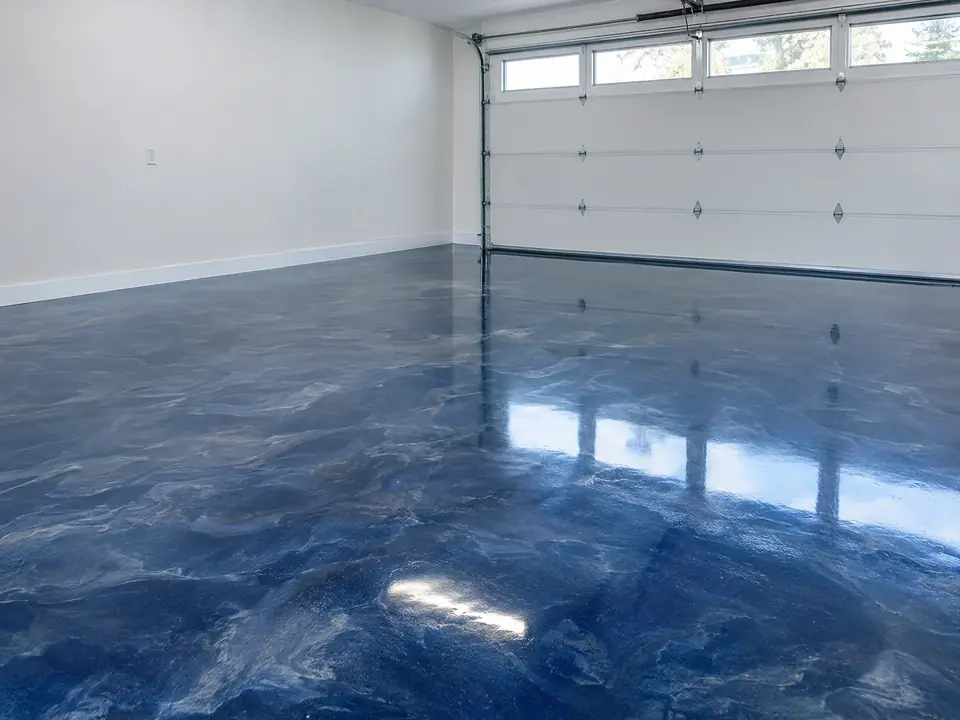
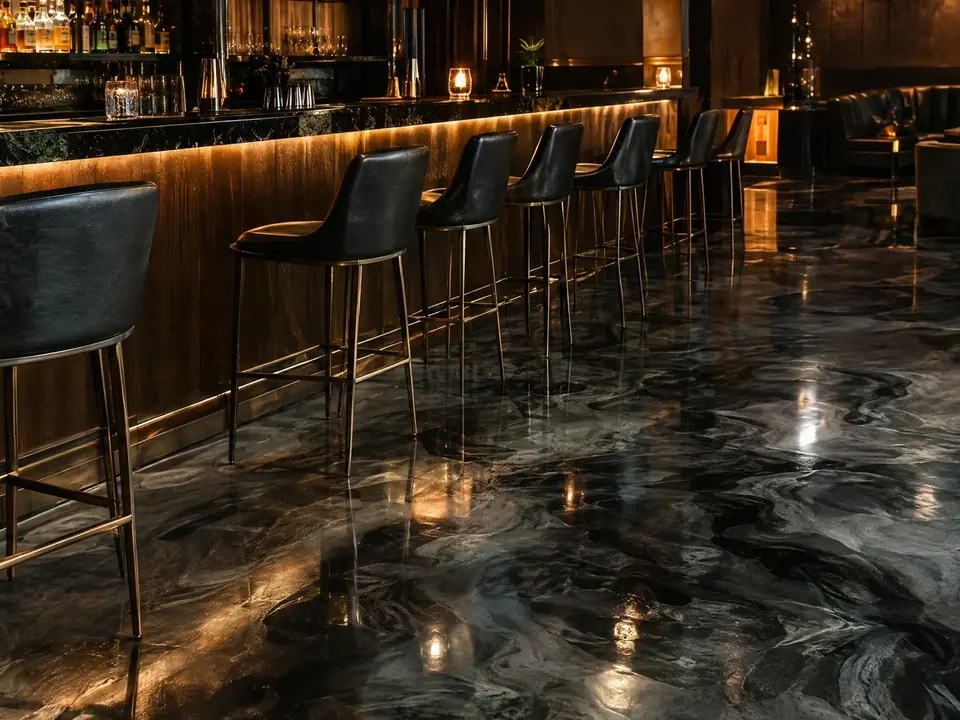
For a car collector or show garage, a metallic epoxy floor gives the most dramatic showroom look, while a flake floor is the easier one to live with. Metallic shows dust, scratches and tire marks more and costs more. Flake hides wear, installs in one day and costs less.
Read the answer →The best way to clean an epoxy garage floor is to dust mop or blow off the grit, then mop with warm water and a mild pH-neutral cleaner using a soft mop or microfiber pad. Rinse, then dry. Skip acids, harsh solvents, wax and abrasive pads that can dull the finish.
Read the answer →Epoxy turns yellow because ultraviolet light and heat slowly break down the resin, a change called ambering. It shows first where sun hits the floor, usually near the garage door. A UV-stable polyaspartic topcoat, a color that hides slight change and less direct sun on the slab are what prevent it.
Read the answer →Metallic epoxy costs $12.50 to $18.50 per square foot in the Antelope Valley, and typical projects land between $5,000 and $7,400. It costs more than flake or solid color because the materials are premium and the hand application is slower. We provide a fixed written quote after a free on-site estimate.
Metallic epoxy is a clear epoxy mixed with pearlescent metallic powder and pigment, applied over a colored base coat and worked by hand into marbleized swirls. The result looks like polished stone or liquid metal, and no two floors match. A protective topcoat seals it and adds UV resistance.
Metallic floors are glossy, so they can feel slick when wet. Dry, they are comfortable underfoot. For a wash area, an entry from the yard or a pool-side room, we can add a fine non-slip additive to the final coat or choose a satin topcoat. Mention how the room is used at the estimate.
Metallic epoxy resists everyday wear, but a gloss surface shows fine scratches and swirl marks more than a speckled floor does. Dragged metal, dropped tools and unprotected jack stands are the usual causes. A satin topcoat, felt pads and regular sweeping keep it looking good, and a worn topcoat can be recoated.
A well-installed metallic floor lasts for many years indoors, and the topcoat is the layer that wears first. In strong high desert sun, a UV-stable polyaspartic topcoat prevents yellowing and fading. Gentle cleaning and avoiding dragged metal extend the life, and a worn topcoat can be refreshed without redoing the whole floor.
Yes, especially for a show garage, a collector car space or a home entertaining area where looks matter. It resists oil, tire marks and spills when properly topcoated. For a rough work bay with heavy impacts, a flake epoxy floor is more forgiving, and we will say so if that is the better fit.
Metallic epoxy is a smooth, glossy, swirling surface made from pigment and metallic powder, while flake epoxy is a speckled, textured surface made from colored chips broadcast into the coating. Flake hides dirt and wear and installs in a day. Metallic is more dramatic, costs more and takes three to four days.
Bubbles usually come from air escaping the concrete as a warm slab expands under wet coating, or from rushed mixing. We reduce the risk by installing early in the day, watching the slab temperature trend, using proper primer and releasing trapped air while the material is workable. Cooler stretches are easier on the finish.
Sweep or dust mop regularly, then damp mop with warm water and a neutral cleaner, and dry the floor if it is glossy to avoid water spots. Wipe oil and chemicals promptly. Avoid vinegar, ammonia and abrasive pads, which dull the topcoat. In windy Antelope Valley weather, a quick mop after a dusty spell helps.
We offer 24 metallic colors on our color chart, from silvers and bronzes to deep blues, greens and violets. Many floors combine a base color and a second powder, so the number of finished looks is far larger. Ask to see samples at the estimate so you can judge them beside your walls and cabinets.
A clean, seamless pigmented floor in gloss, satin or matte for garages, workshops, interiors and commercial spaces.
Learn more →Full-rejection flake over a moisture-barrier epoxy basecoat, sealed with a UV-stable polyaspartic topcoat. Installed in one day.
Learn more →Durable, easy-to-clean garage floors that resist hot-tire pickup, oil and salt. Most two-car garages are done in one day.
Learn more →Call (661) 545-6676 or send the form at the top of the page. We reply the same day with a time to measure.